The alpha is running now
Your prompt is not the problem. The dialect is.
Promptimus takes the prompt you already wrote and recompiles it for the model you are about to paste it into — the right role, the right constraints, the right reasoning depth, the right output contract. One intent in. Seven dialects out.
There is no form and no queue. Tell us what you are building and which tools you live in, and we open a seat if it fits.
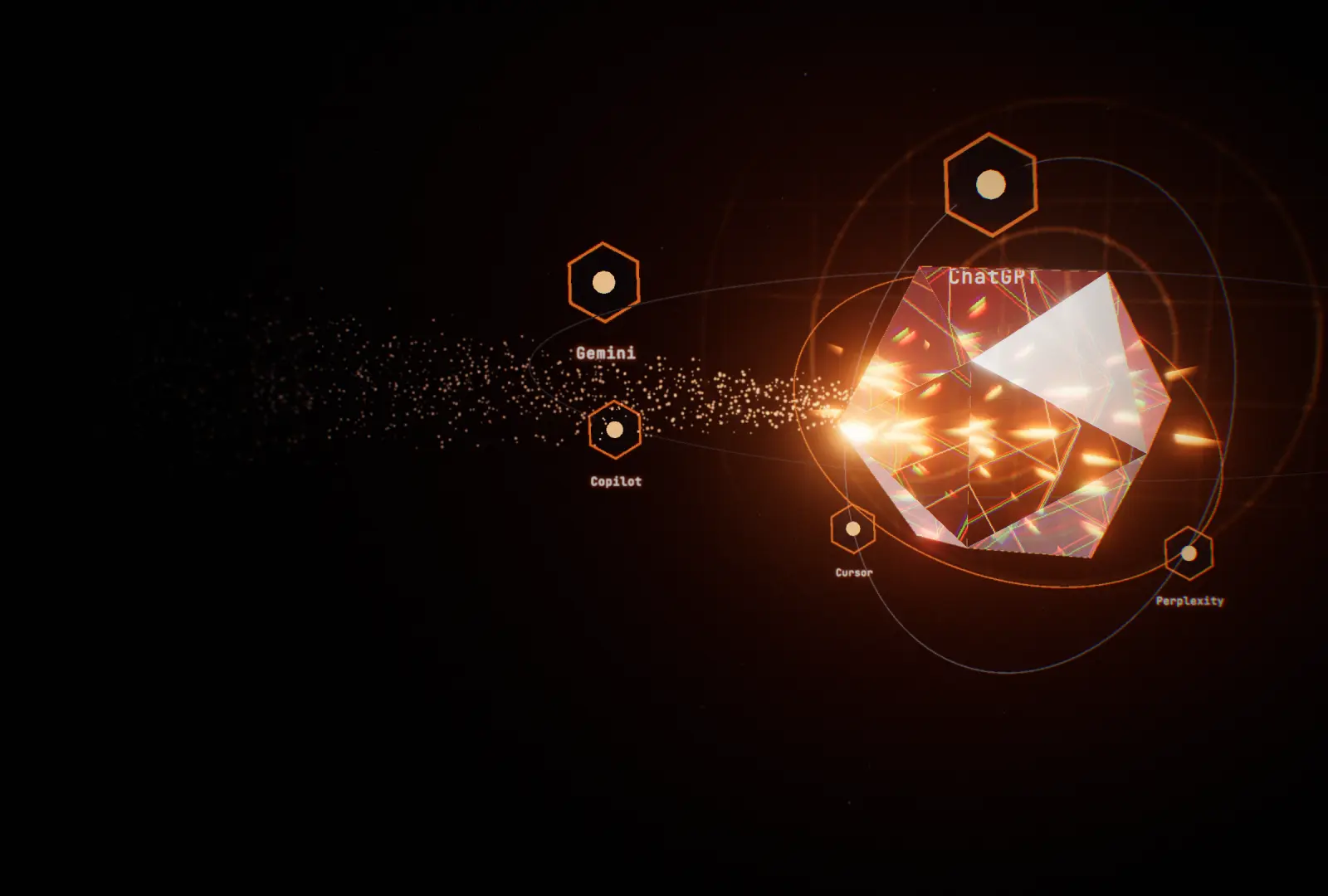
ChatGPT · Claude · Gemini · Copilot · Perplexity · Cursor · Midjourney
Live demonstration
Pick a mess. Pick a model. Watch it get rebuilt.
A scripted preview of the optimiser, played back from authored examples. It shows exactly how the rewrite is built: one intent, recompiled per destination.
What is actually wrong with it
What changed for this destination

Mechanism
It is not a template library. It is a compiler.
Templates freeze the phrasing. Promptimus freezes the brief and throws the phrasing away, then writes new phrasing for whichever destination you point it at.
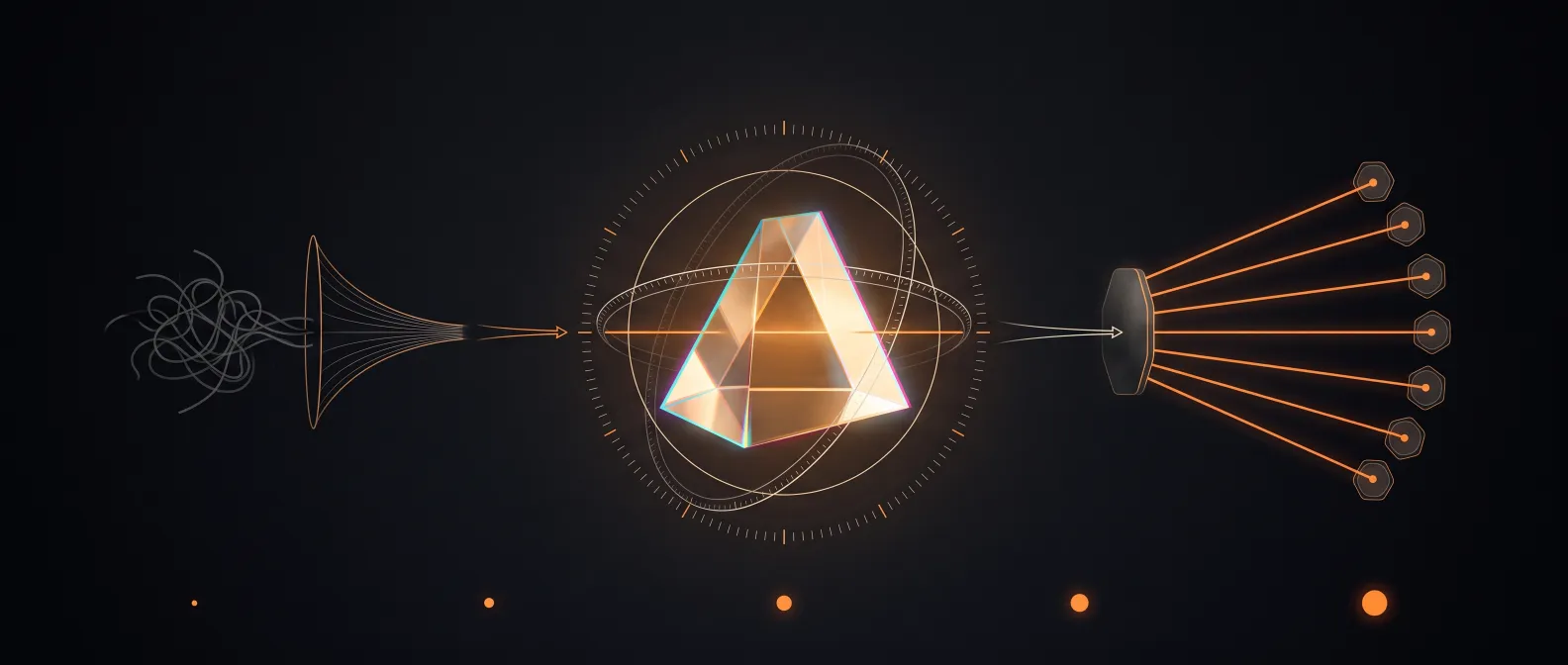
- Read for intent
- Strip the phrasing away. Recover the role, the audience, the real task, and the four constraints you were carrying in your head and never typed.
- Rebuild as a brief
- Fill the seven slots every good instruction needs. Anything genuinely missing is inferred from context or handed back to you as a decision, never quietly invented.
- Emit in dialect
- Compile the brief for the destination. Claude gets tags and a scratchpad. Perplexity gets a query and a source policy. Midjourney gets parameters and no sentences at all.
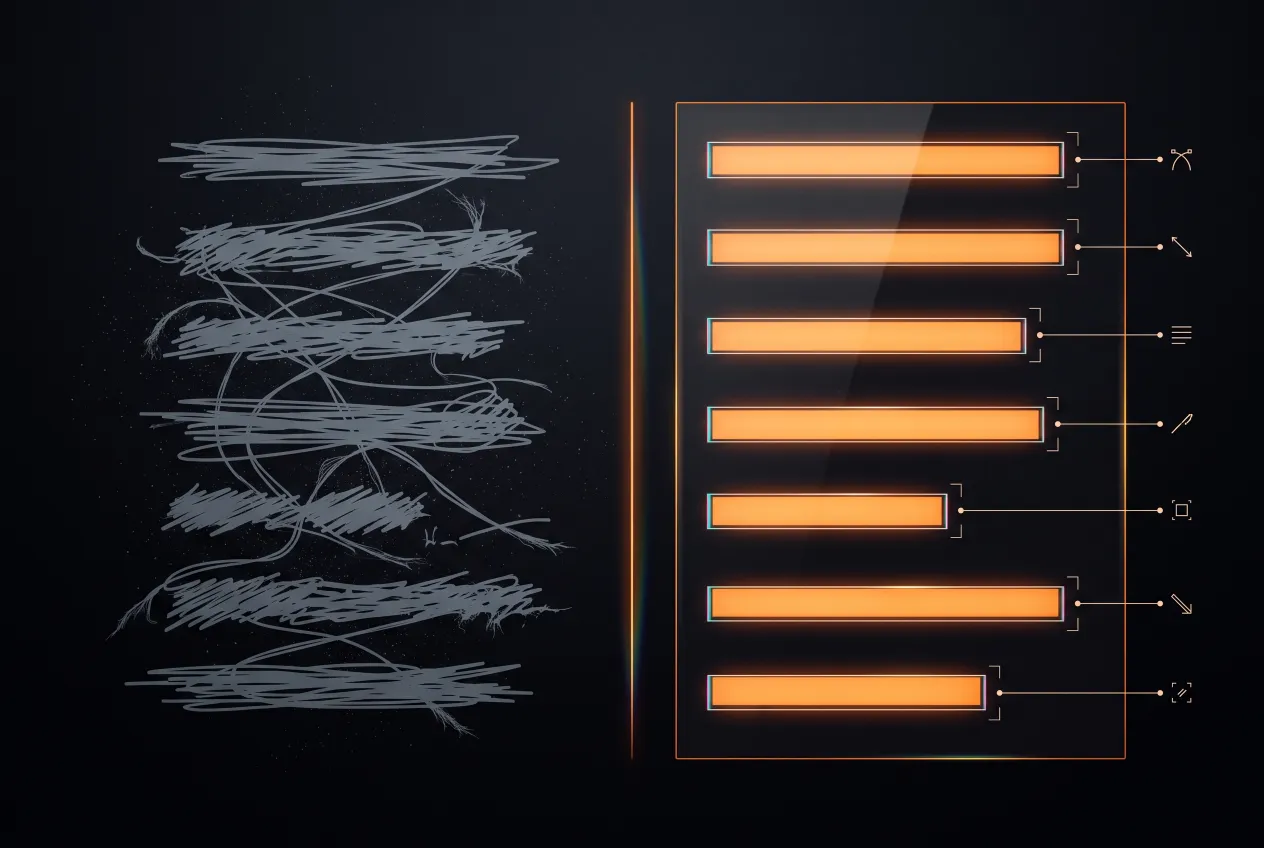
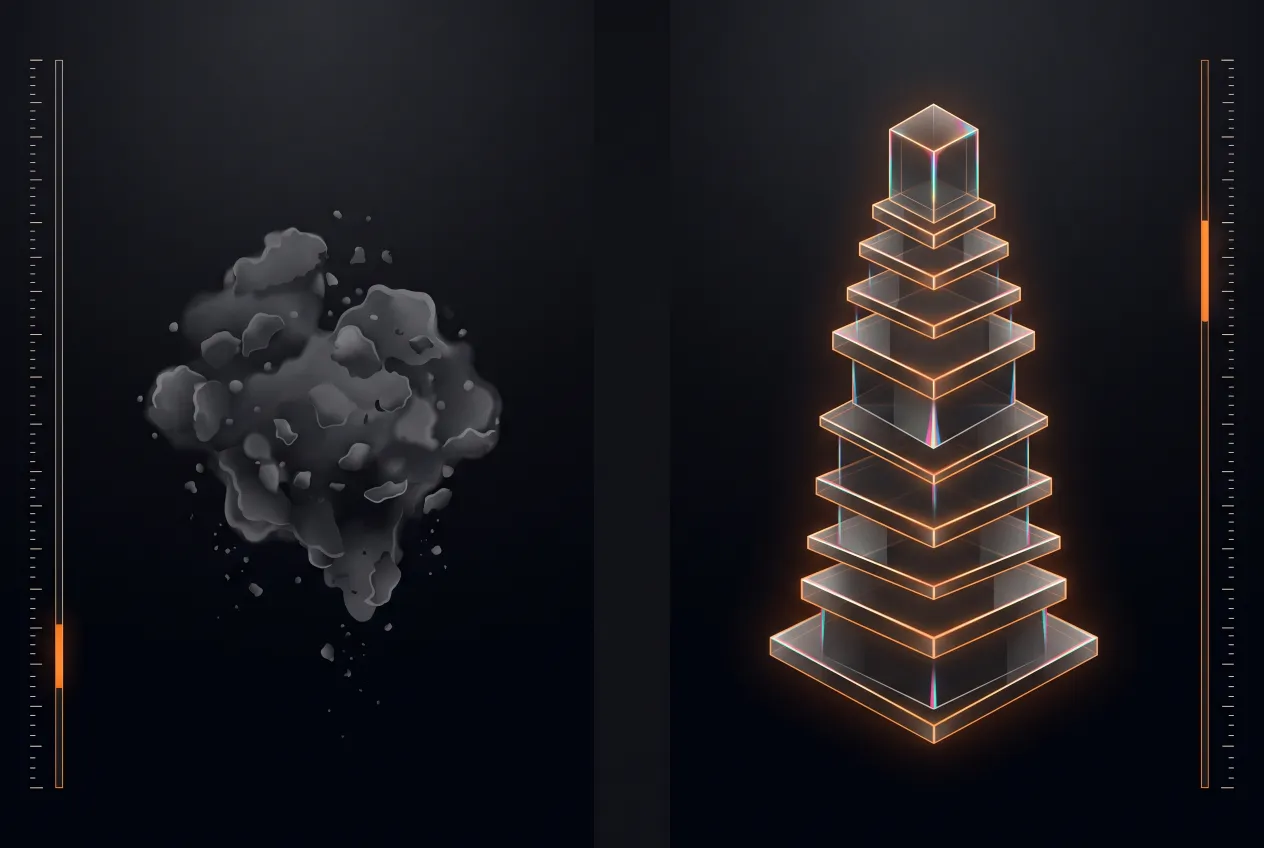
A weak prompt is not short. It is unresolved.
Length is not the tell. Nine tangled words and nine hundred tangled words fail for the same reason: the model has to guess which of several plausible jobs you meant, and it will guess consistently wrong in whichever direction its training leaned.
Resolution is the fix. Every ambiguity becomes an explicit band — stated, bounded, and checkable — so there is nothing left worth guessing about.
One intent, seven dialects.
The brief never changes when you switch destination. What changes is everything around it: the delimiters, the ordering, the position of the context block, whether reasoning is requested inline or sequestered, whether requirements are argued in prose or declared as flags.
That is the part nobody wants to maintain by hand across seven tools, twice a quarter, forever.
See every destination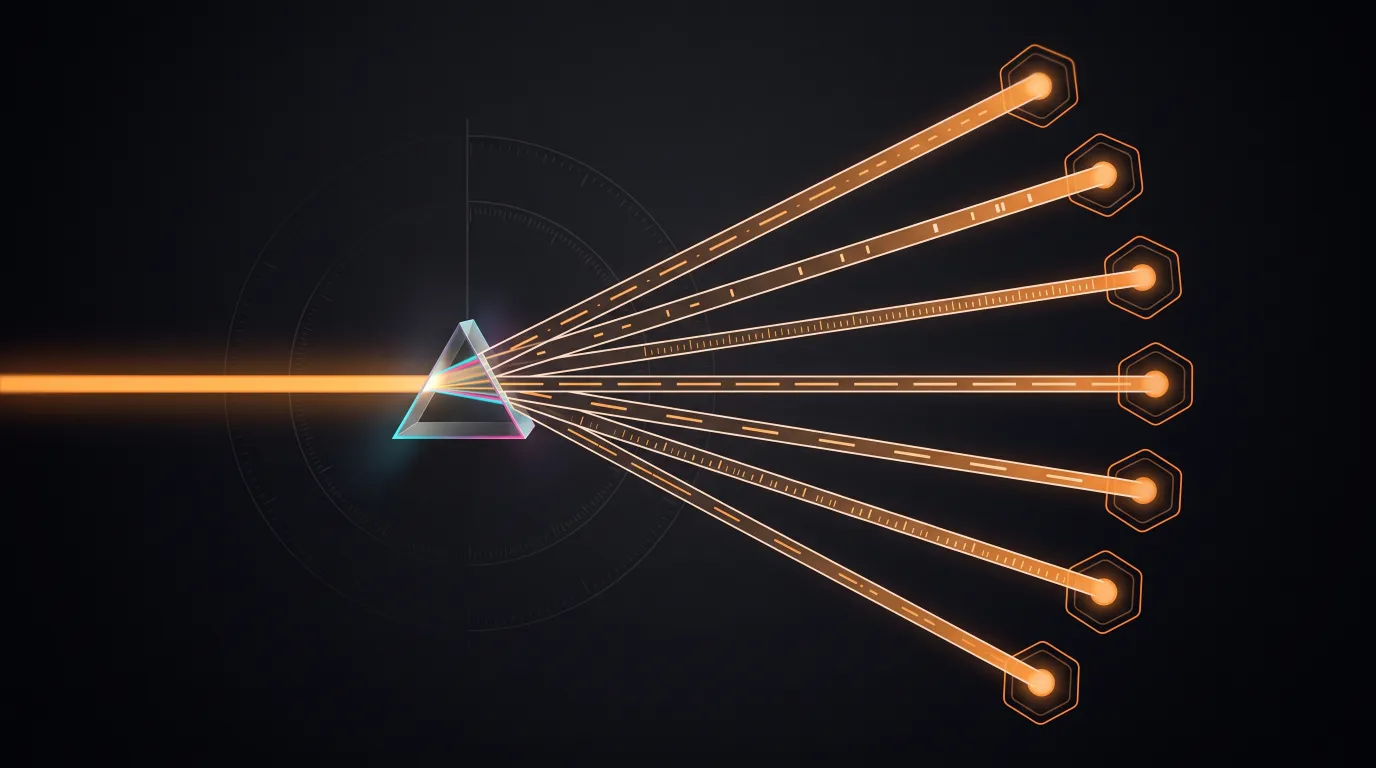
Destinations
Built for the tools you already have open.
Seven destinations in the alpha. Each is a dialect file — a compose step, a set of adaptations, and a test corpus. When the next model ships, it is a new file, not a new product.
Product names are the property of their respective owners. Promptimus is not affiliated with, endorsed by, or partnered with any of them.
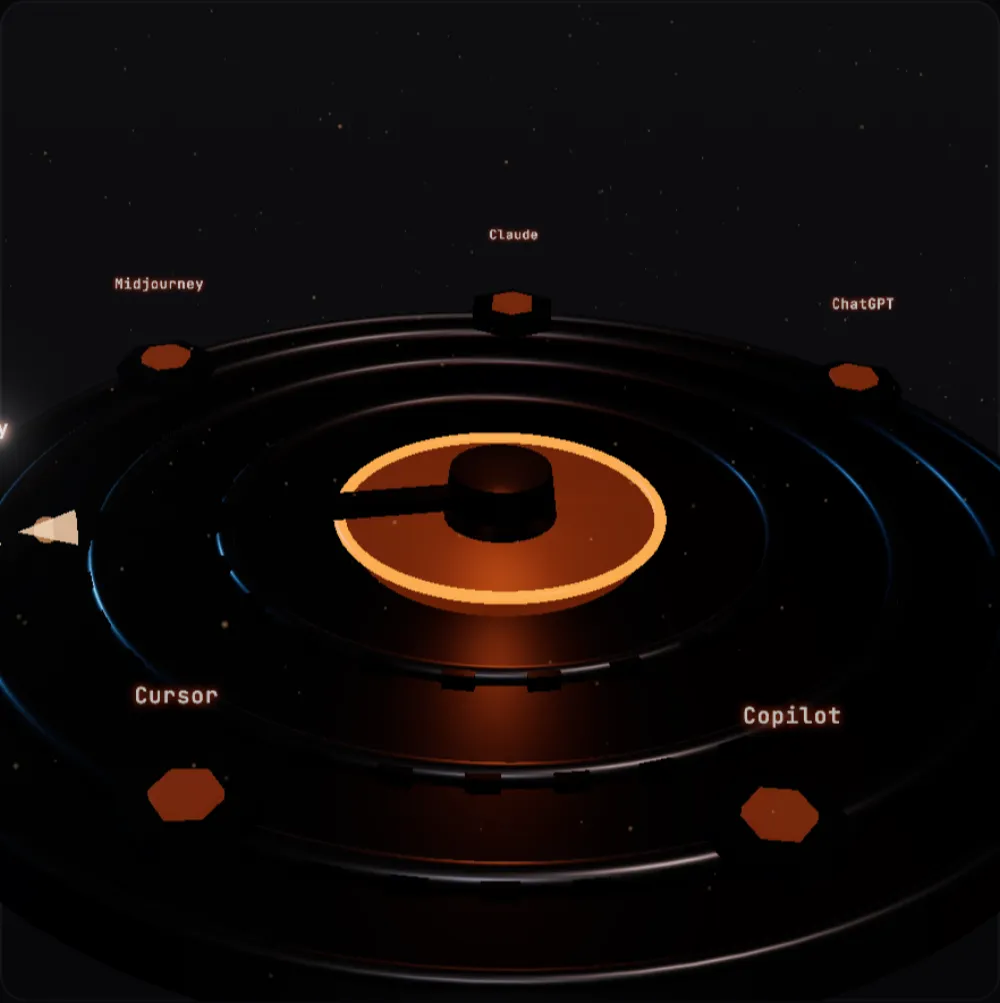
The router points at whichever destination you hover, focus or select. It keeps cycling on its own when nobody is touching it.
Controls
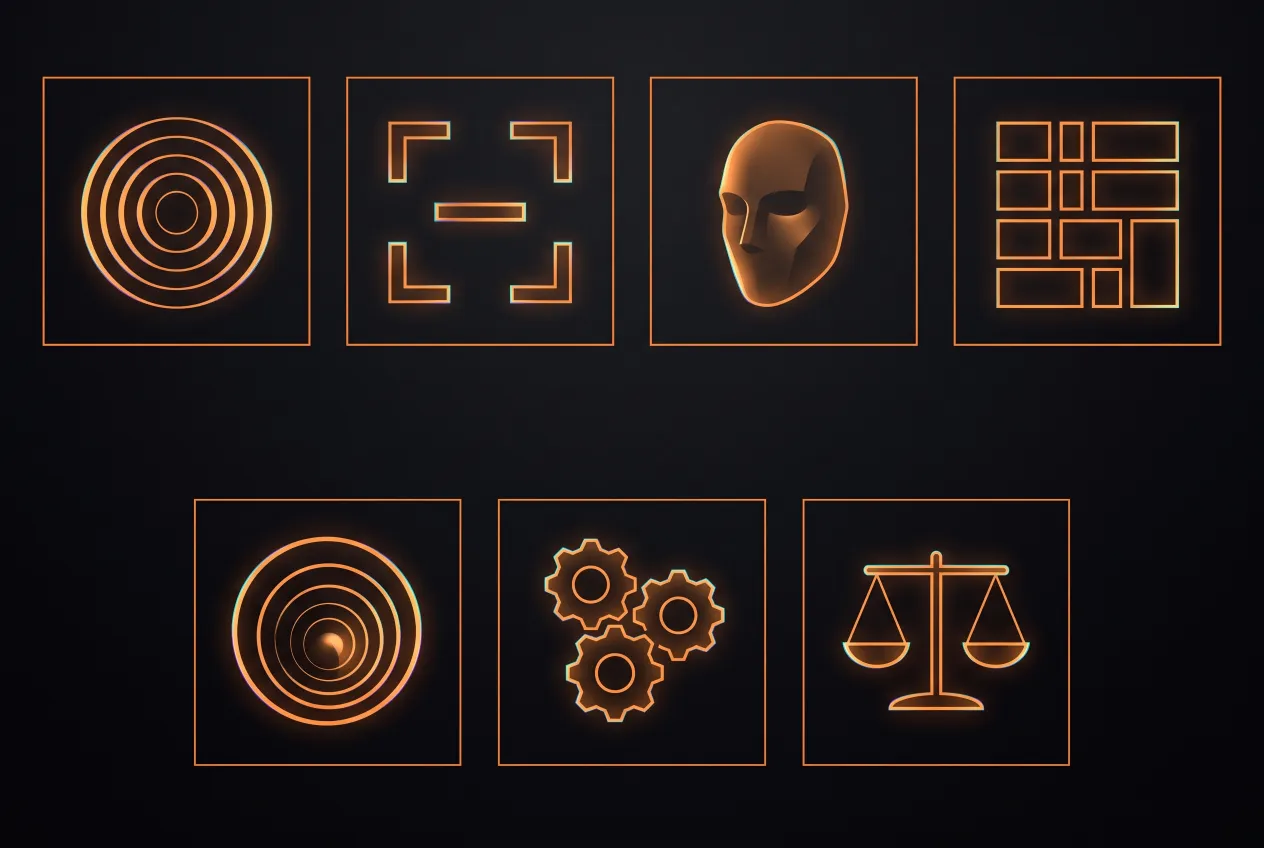
Seven controls. Tuned per destination, every time.
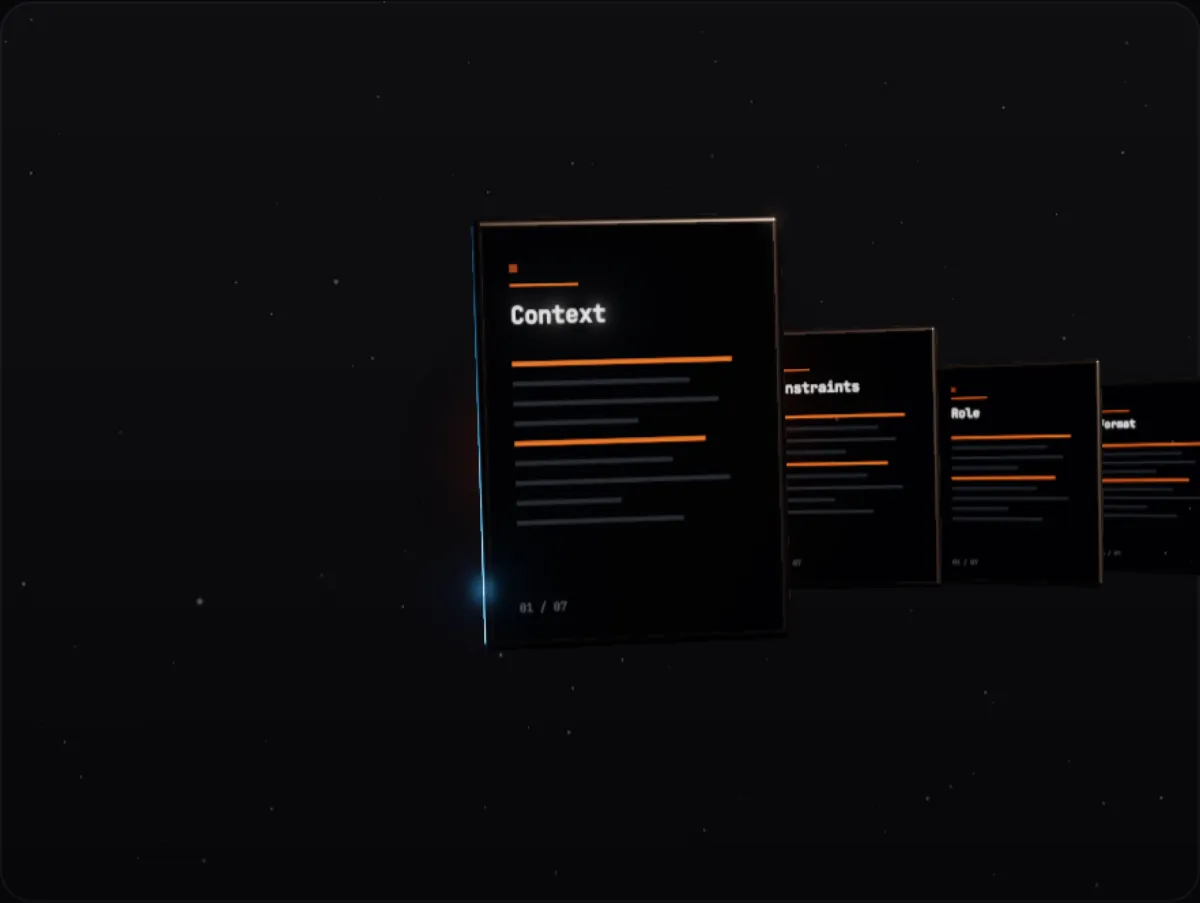
These are the dials the optimiser actually turns. Point at one to bring its card forward.
- Context
- What the model needs to know and you never bothered to type, promoted to the position in the prompt where that destination will still be honouring it forty turns later.
- Constraints
- The rules you would have complained about afterwards, stated before the first token — including the words you never want to see again.
- Role
- Who the model is answering as, what it is allowed to assume it knows, and — more usefully — what it is not allowed to pretend to know.
- Format
- The exact shape of the answer: sections, lengths, ordering, and the things that must not appear in it. Vague formats are how you end up editing instead of reading.
- Reasoning depth
- How much thinking happens before the first token, and where it is put so that it improves the answer without cluttering it.
- Tool use
- Whether search, code execution or file access is permitted, what it may be used for, and what counts as sufficient evidence before the model is allowed to conclude anything.
- Evaluation criteria
- The bar the answer has to clear, written down inside the prompt so the model can check itself against it before you have to.
Downstream
You do not notice the prompt. You notice the third draft.
Nobody has ever complained about a prompt. They complain about the answer that arrived, and then quietly rewrite it themselves. That is the cost this removes.
- Fewer restarts
- The format is decided before the model starts, so the first answer is the one you keep.
- Fewer hedges
- Given an explicit escape hatch, models stop padding out the parts they are unsure about.
- Fewer surprises
- A stated acceptance bar turns "is this good?" into a question with an answer.
The illustration above is an illustration, not a measurement. The evaluation set is being built alongside the alpha and ships with the product.
Objections
The obvious questions, answered honestly.
Including the ones a router like this one usually dodges.
- Is this just a prompt template library with better marketing?
- No. A template freezes the phrasing and lets you fill in blanks. Promptimus freezes the brief and throws the phrasing away. Change the destination and every line of the output changes, because the dialect is regenerated rather than re-headed. You can see it in the demo above: switch from Claude to Midjourney and there is not one shared line.
- Why not just ask the model to improve its own prompt?
- You can, and it will hand you a longer version of the same prompt in its own house dialect. It has no particular reason to know what Midjourney's parameter ordering rewards, no incentive to tell you which four constraints you left out, and no memory of the brief once the conversation moves on.
- What happens when a model I use is not on your list?
- A destination is a small file: a compose step, three adaptations, and a test corpus. Adding one does not touch the brief, the other destinations, or anything you have already written. That is the whole architectural bet — the thing that changes every quarter is deliberately the cheapest part. Two of the seven in the alpha were added that way, mid-alpha.
- Do you keep my prompts?
- Retention is off by default, with an explicit opt-in if you want a history of your own briefs. The alpha runs on the same setting. The demo on this page is authored content and never leaves your browser at all.
- How do I actually get early access?
- You ask for it. Write to hello@promptimus.com, tell us what you are building and which tools you work in, and we reply. Seats are opened on fit rather than on arrival order, and they are opened while the alpha is running — which is now. The button on this page opens your own mail client; the page itself records nothing.
- What will it cost?
- Not settled. What is settled: the free tier will include every destination, because a router that only routes to the models you have already paid for is not a router. Alpha access carries no charge and no obligation, and anyone in the alpha keeps their access when pricing lands.
- I already write good prompts. What is in this for me?
- Then you already keep the brief in your head and re-type it in seven dialects. This is not a literacy product; it is a translation and maintenance product. If you have never once pasted a Claude-shaped prompt into Midjourney and watched it produce something with words baked into the image, you are not who this is for.
Alpha in progress
The alpha is running. The door is open now.
Dialect files are being tuned against real work this week, and seats are opened one conversation at a time. The people inside are the ones deciding what ships.
- Open right now
- Access is granted as we go. There is no schedule to wait for and no queue to sit in.
- Small on purpose
- Every seat costs us a conversation. That constraint is what keeps the dialect files honest.
- Closing quietly
- When the dialect set settles, the alpha stops taking people. There will be no announcement.
Direct line
Worth including: the model you reach for most, and one prompt you have rewritten more than twice. That is usually enough for us to tell whether Promptimus would have saved you the second rewrite.
The button opens your own mail client. Nothing on this page is collected or stored.